

Understanding the Nature of Luck in Casinos
When it comes to casinos, the concept of luck plays a major role in players’ perceptions of their potential winnings. Many believe that luck is a fixed element that can either favor or disadvantage players, leading to a simplified view of winning. However, the reality is that each game operates based on randomized outcomes, whether it’s a slot machine, a table game, or a card game. Moreover, players seeking quick returns often prefer options like neosurf casino instant withdrawal to maximize their chances of cashing out efficiently. This randomness means that while someone may win big one night, another player may experience losses on another occasion, underscoring the unpredictable nature of gambling.
Additionally, the psychological aspect of luck can heavily influence how players approach games. Players may cling to superstitions or specific rituals, believing they can invoke good fortune. This can lead to a greater emotional investment in outcomes, often overshadowing the mathematical probabilities that govern the games. Understanding that luck is not a constant factor can help players make more rational decisions rather than relying on chance or belief in favorable omens.
The allure of big winnings often leads to inflated expectations about gambling success. While stories of jackpot winners capture public attention, they represent a tiny fraction of the average player’s experience. Most players will spend more time losing than winning, which is crucial to understand when entering a casino. Recognizing that winnings are not guaranteed can help set more realistic expectations and foster a healthier relationship with gambling.
House Edge: The Unseen Factor
Every casino game has a built-in advantage for the house, known as the house edge. This percentage signifies the average profit the casino expects to earn from each bet over time. For instance, a game with a 5% house edge means that the casino anticipates keeping $0.05 of every dollar wagered. This concept is vital for players to grasp, as it highlights the long-term disadvantages of playing, regardless of short-term wins or losses.
The house edge varies across different games and betting strategies within the casino. Table games like blackjack or poker can have lower house edges when played with optimal strategies, while slot machines often have a much higher house edge. Understanding these nuances can empower players to make informed choices about where to gamble, allowing them to engage in games that offer better odds of winning. However, it’s essential to remember that even these games do not guarantee winnings.
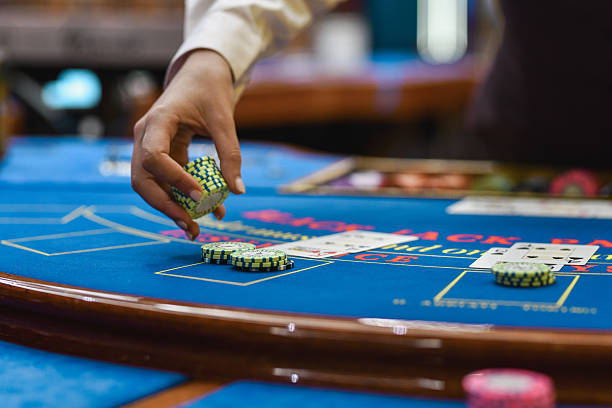
Furthermore, the psychological effects of the house edge can be profound. Many players underestimate its impact, believing they can overcome the odds through luck or skill. This often leads to a cycle of chasing losses or increasing bets in pursuit of a win, which can result in greater financial losses. Recognizing the house edge as an inherent part of the gaming environment can help players approach gambling with a clearer understanding of their potential risks and rewards.
The Reality of Winning Strategies
In the world of casinos, numerous self-proclaimed “winning strategies” circulate, claiming to offer players surefire ways to beat the games. However, it’s essential to scrutinize these strategies critically, as many are based on false premises or anecdotal evidence. For instance, while card counting in blackjack can offer players an edge, it requires immense skill and the discipline to avoid detection, which is challenging at most casinos.
Other games, such as slots or roulette, operate on pure luck without any viable strategy for increasing the likelihood of winning. Players may find themselves entangled in complex betting systems or patterns, but these do little to alter the random nature of the games. Understanding that there are no guaranteed winning strategies can lead to more responsible gambling practices and help prevent the belief that success is achievable through tricks or formulas.
Moreover, recognizing the distinction between luck and skill is vital. Games like poker do incorporate elements of strategy, which can influence outcomes, but the vast majority of casino games are designed to be primarily luck-based. This acknowledgment can help set realistic expectations for success and discourage players from investing too much emotional weight in each wager.
The Impact of Gambler’s Fallacy
The gambler’s fallacy is a common misconception among players, where they believe that past events influence future outcomes in games of chance. For example, after a series of losses at a slot machine, a player may think that they are due for a win. This flawed reasoning can lead to irrational betting behavior and significant losses, as it ignores the fundamental principle that each spin or deal is independent of previous results.
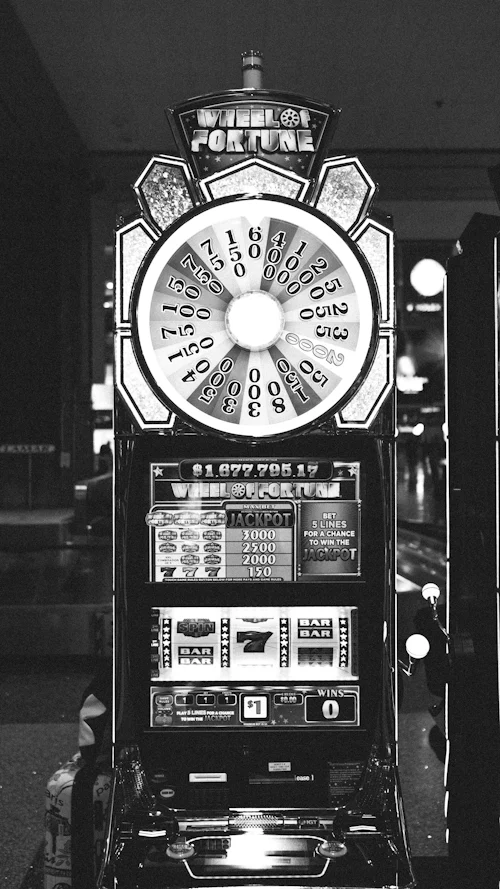
This fallacy is particularly prevalent in games like roulette, where players often wager based on the belief that certain colors or numbers are “due” to hit based on previous spins. However, the reality is that every spin of the wheel is entirely random, and past outcomes bear no weight on future results. Educating oneself about the randomness inherent in casino games can help reduce the influence of the gambler’s fallacy and promote more rational decision-making.
Additionally, the gambler’s fallacy can lead to emotional distress as players chase losses, believing they will eventually recoup their money. This cycle can create a dangerous trap, where players continue to gamble beyond their limits, often resulting in significant financial and emotional consequences. Acknowledging this fallacy is critical for anyone looking to engage in gaming responsibly and sustainably.
Your Resource for Responsible Gaming
Understanding the myths and realities surrounding casino winnings is crucial for both novice and experienced players. While the thrill of winning can be exhilarating, it is paramount to approach gaming with a balanced mindset. Our platform is dedicated to providing insights, strategies, and support for responsible gaming, prioritizing player well-being and informed decision-making.
With comprehensive guides on various casino games, tips for managing your bankroll effectively, and resources on recognizing the signs of problem gambling, we strive to empower players to enjoy their gaming experience safely. We believe that education is key to enhancing the enjoyment of casino activities while minimizing risks.
Ultimately, casinos are designed for entertainment, and understanding the underlying principles can help players appreciate the games without falling prey to myths. By engaging with our content, players can equip themselves with the knowledge necessary to navigate the casino landscape responsibly, ensuring that their gambling remains fun and within their means.

